My Birthday Moon
The Moon from that day, here for you now.
Fri, August 24, 2029
Full Moon
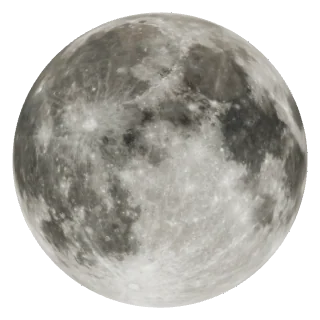
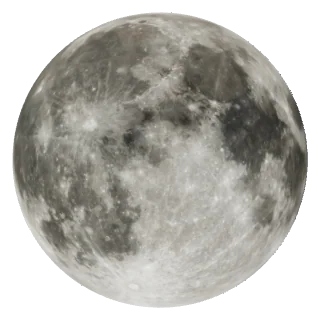
A Moon filled with light. A shape to remember that day by.
Time has passed. The shape of that day’s Moon can still be found.
Phase and illumination use noon in Korea (KST) on the selected date. They do not represent the Moon’s exact position at your birth time and place.
A small record of that day
- Date
- Fri, August 24, 2029
- Sunlit surface
- 100%
- Lunar Date
- Lunar 7/15
Share your first sky with someone close.
Moon Phase on 24 August 2029: Full Moon, 100% Lit
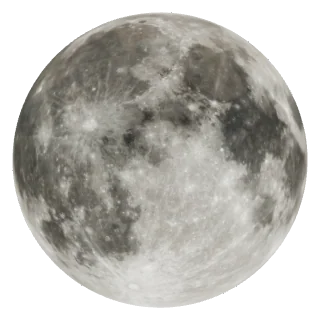
The Moon on August 24, 2029
On August 24, 2029, the Moon will be a Full Moon, 14.0 days old and 100% illuminated, in the constellation Aquarius about 394,426 km (245,085 mi) from Earth. The Full Moon will fall on this date.
- Phase
- Full Moon
- Illumination
- 100%
- Moon age
- 14.0 days since New Moon
- Distance from Earth
- 394,426 km (245,085 mi)
- Constellation
- Aquarius
- Previous Full Moon
- This date
- Next New Moon
- September 8, 2029
- Next Full Moon
- September 22, 2029
Moon phases around August 24, 2029
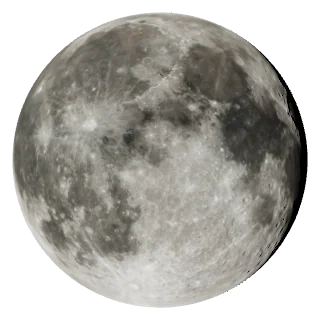
| Date | Moon | Lit | Age |
|---|---|---|---|
| 8/21 Tue | Waxing Gibbous | 91% | 11.0d |
| 8/22 Wed | Waxing Gibbous | 96% | 12.0d |
| 8/23 Thu | Waxing Gibbous | 99% | 13.0d |
| 8/24 Fri | Full Moon | 100% | 14.0d |
| 8/25 Sat | Waning Gibbous | 99% | 15.0d |
| 8/26 Sun | Waning Gibbous | 96% | 16.0d |
| 8/27 Mon | Waning Gibbous | 91% | 17.0d |
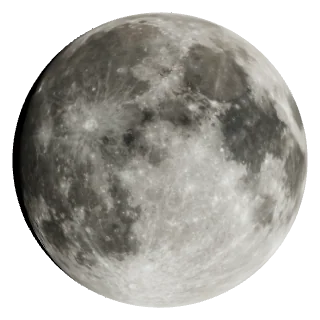
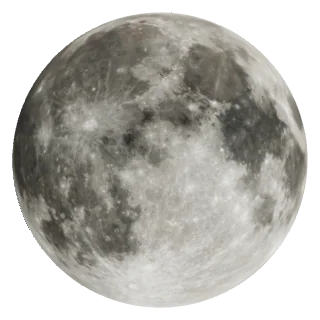
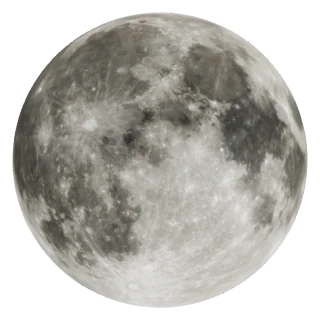
Values are calculated with Astronomy Engine at 12:00 Korea Standard Time (03:00 UTC) on each date; New and Full Moon dates are in UTC. Moon age counts days since the New Moon; distance is centre to centre.
How to find the Moon on your birthday
- Choose your birth year, month and day, then show your Moon.
- Read the phase name and illuminated percentage. A Full Moon appears almost completely lit; a crescent shows a smaller sunlit portion.
- Select “Share this Moon” to create an image card for that date.
Does birth time or location change the result?
This date-only calculator uses Astronomy Engine at noon Korea Standard Time (03:00 UTC) on the selected date. It does not calculate the exact sky at your birth time or birthplace. Near a phase transition, a different time on the same date can give a different phase or illumination.